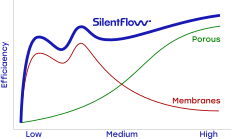
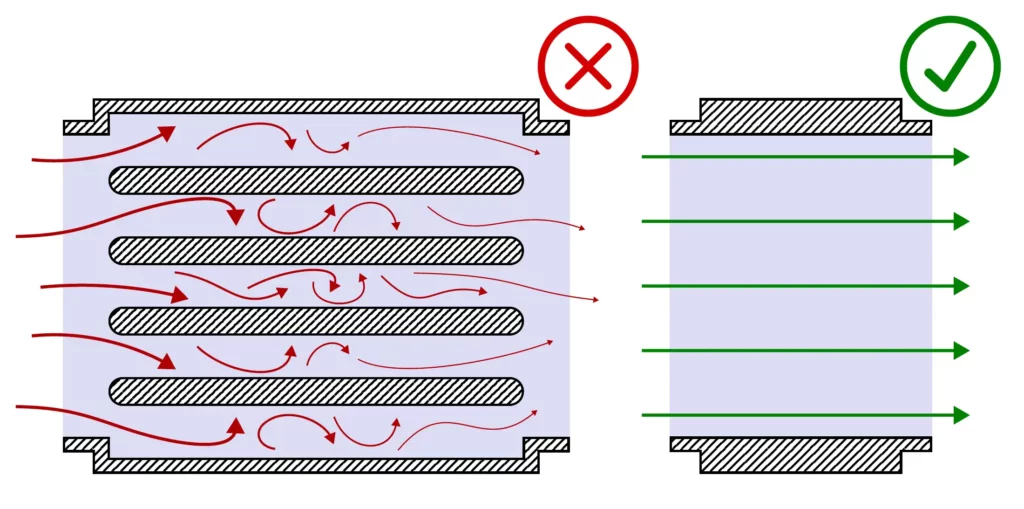
Passive Noise Control (PNC) typically relies on foam insulation to block out unwanted noise. While simple and requiring no power, this method can restrict airflow and is less effective in the low-frequency range (i.e., below 1000 Hz).
Active Noise Control (ANC) uses microphones and speakers to produce a counter-noise that masks surrounding noise. However, it requires a lot of energy and is only effective in small, enclosed spaces.
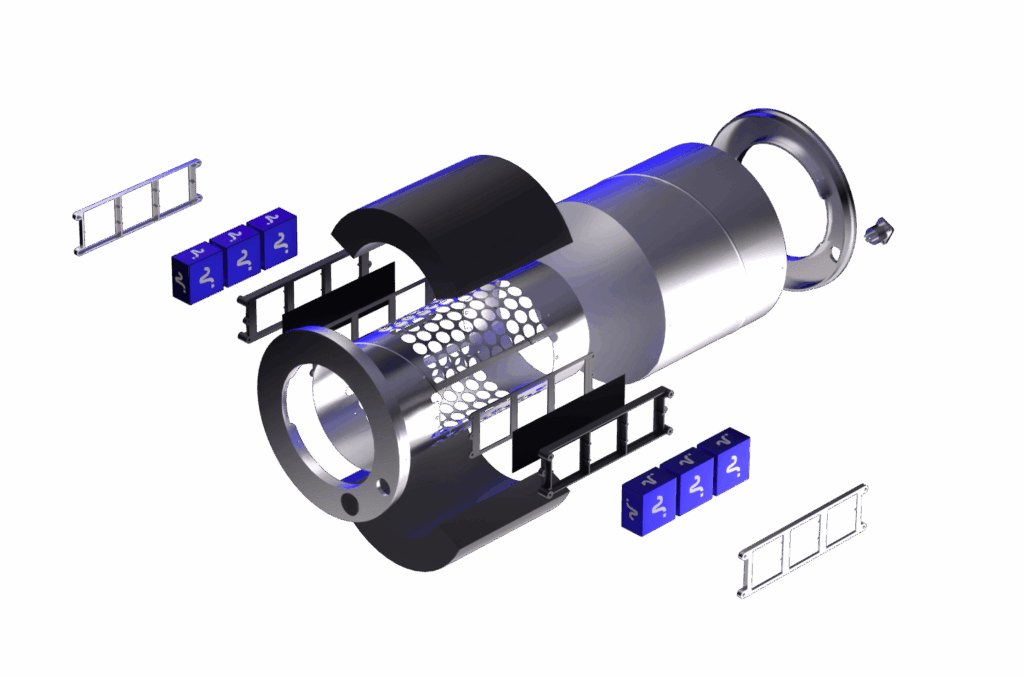
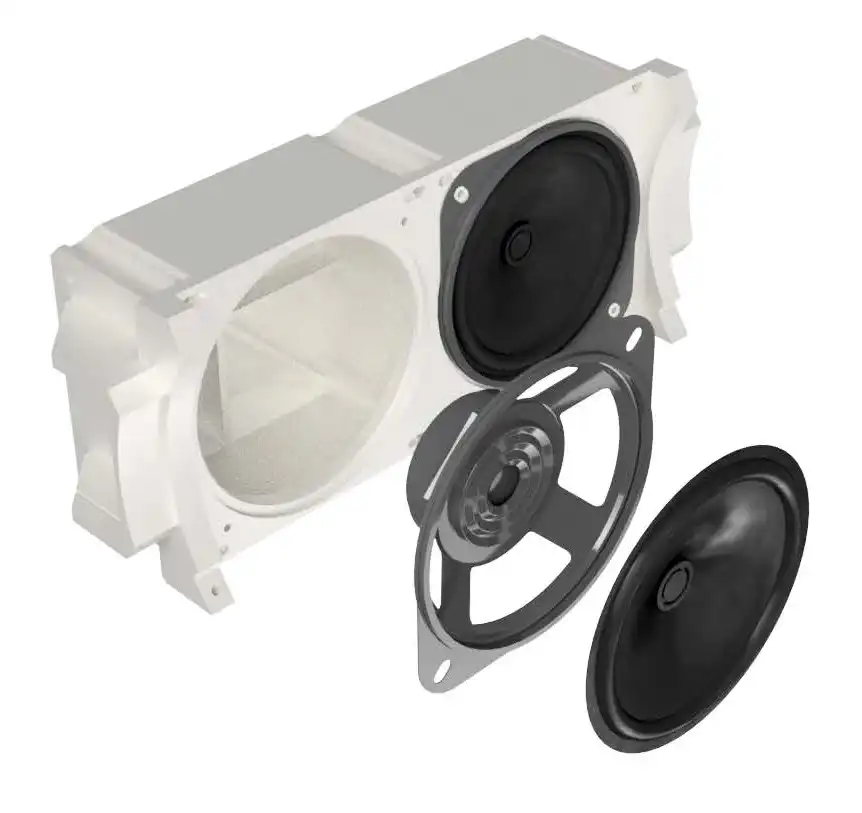
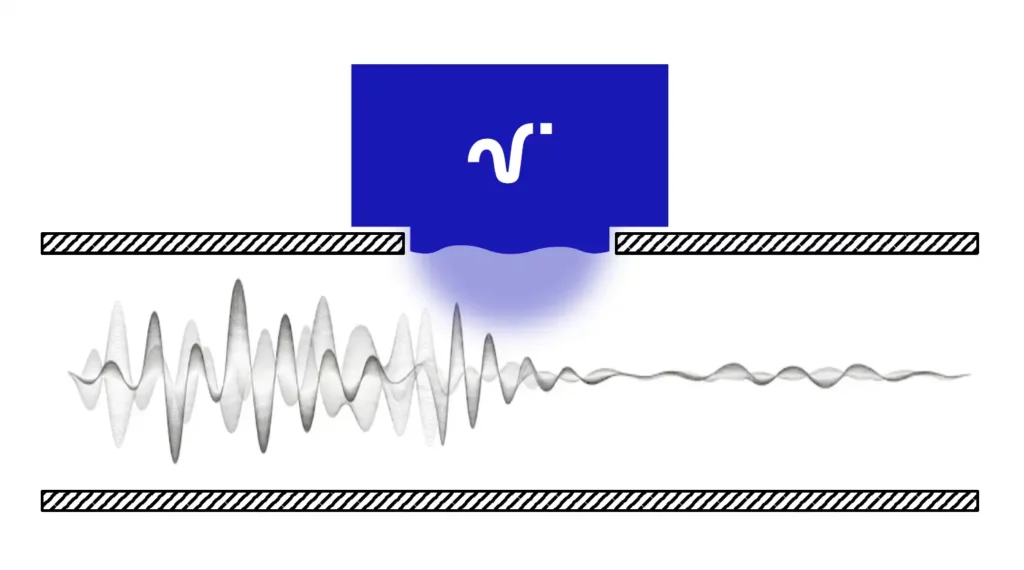
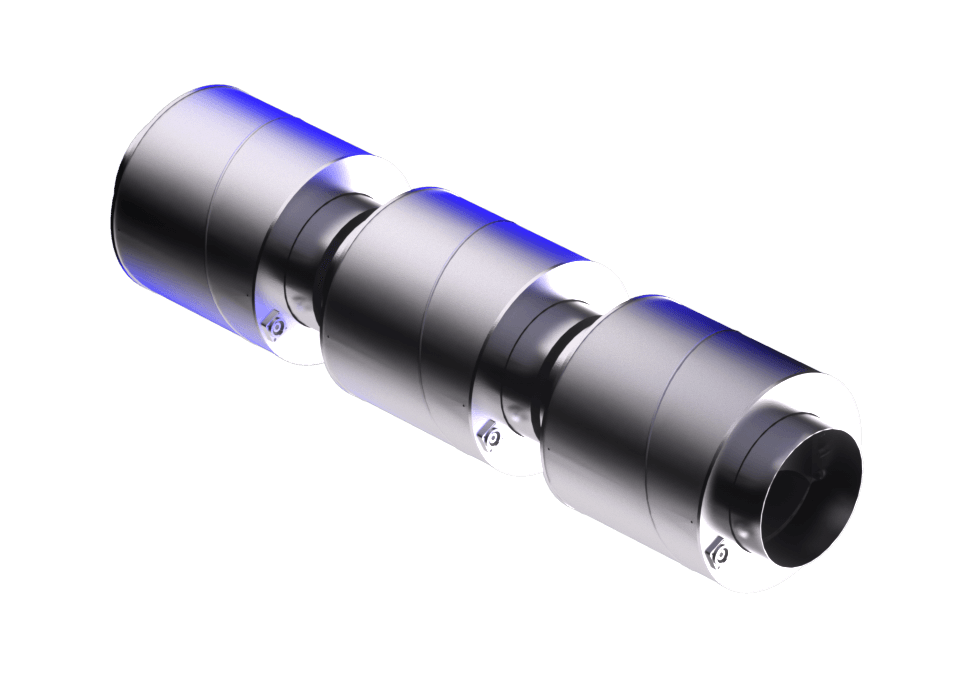
Sitting at the nexus of both traditional methods, Vibiscus’s product offers an innovative solution in terms of noise control. Unlike ANC, it does not add additional sound to mask noise, but presents itself as a boosted material that absorbs and dissipates noise. This approach is more energy efficient and does not require an enclosed space, providing a balanced and effective solution for noise reduction.