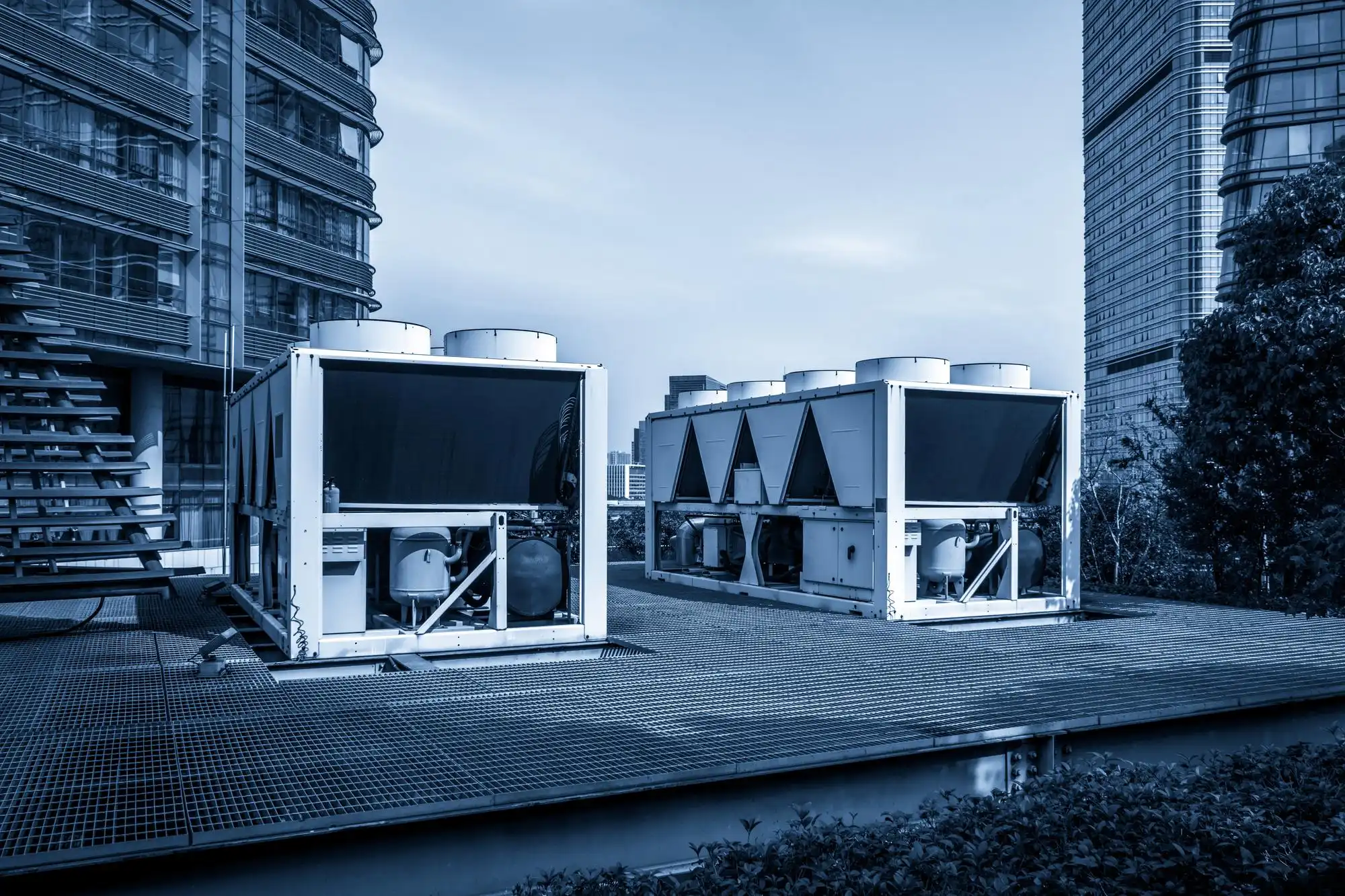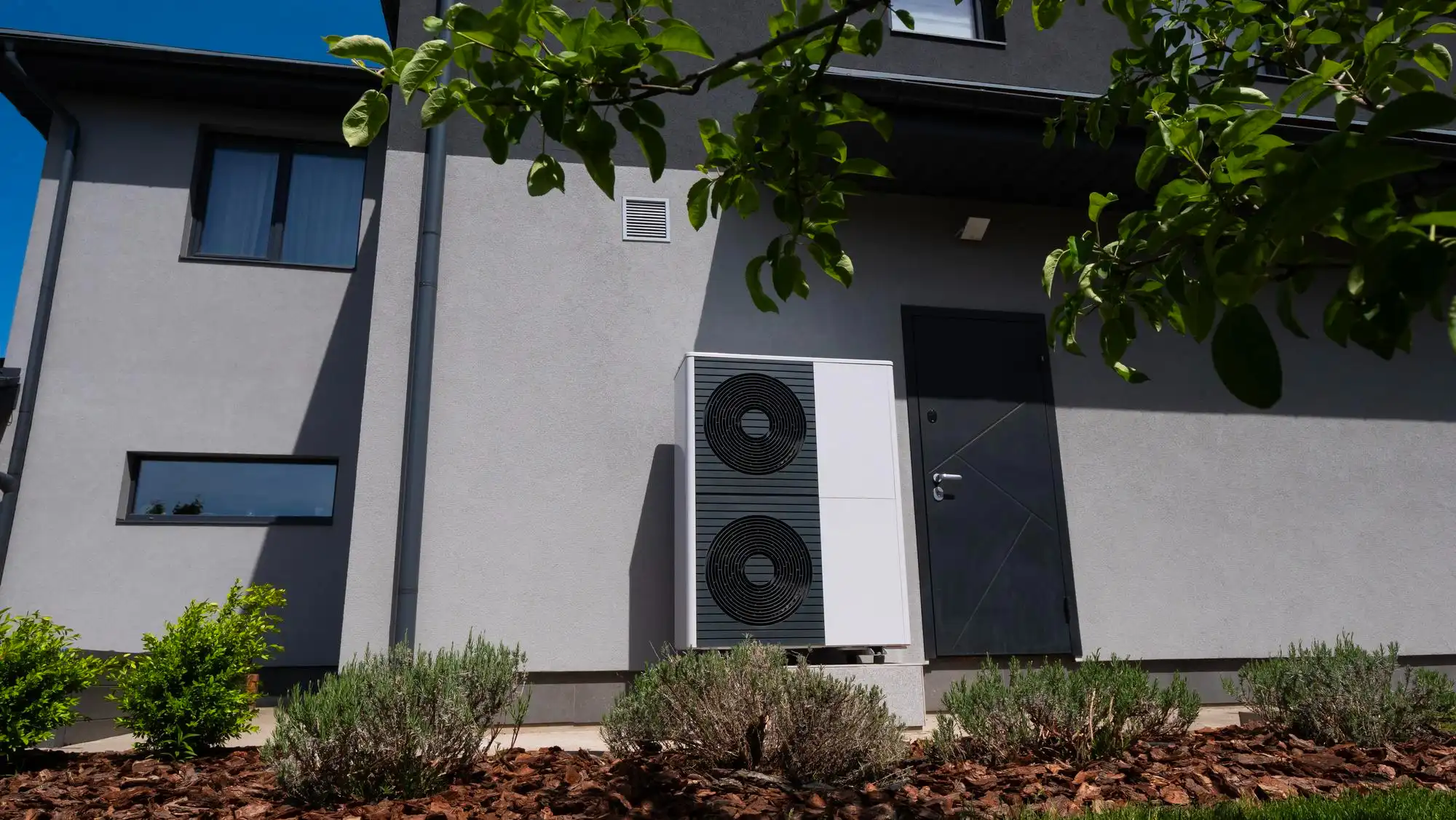
The HVAC industry is undergoing a profound transformation. Long driven by mechanical engineering and control logic, it is now entering a new phase shaped by data, connectivity and artificial intelligence. AI in the HVAC industry is no longer a futuristic concept reserved for experimental buildings. It is becoming a concrete, operational tool to improve performance, reliability and user comfort, while addressing challenges that have long been considered structural, such as energy consumption and noise. But what are the main applications and advantages of AI in HVAC industry? Let’s take a look with Vibiscus!
How AI works in HVAC industry?
At its core, artificial intelligence in HVAC relies on the ability to collect, process and interpret large volumes of data. Modern HVAC systems are already equipped with numerous sensors measuring temperature, pressure, airflow, humidity, vibration or acoustic levels. AI uses this data as raw material.
Machine learning algorithms can identify patterns in system behavior that would be difficult to detect manually. They learn how an HVAC system reacts to changes in occupancy, weather conditions or operating schedules. Over time, these models refine their understanding and improve their predictions.
Unlike traditional rule-based automation, AI-driven systems are not limited to predefined scenarios. They adapt continuously. When conditions change due to seasonal variations, ageing equipment or modifications in building use, AI can adjust system parameters in real time to maintain optimal performance.
In practice, AI in HVAD industry operates as a decision-support layer above existing control systems. It does not remove the need for PLCs or building management systems, but it enhances their intelligence by providing more accurate insights and recommendations.
Main applications of AI in the HVAC industry
Predictive maintenance
Maintenance has long been a reactive or calendar-based activity in HVAC operations. AI changes this paradigm by enabling predictive maintenance. By analyzing trends in temperature, pressure, vibration or power consumption, AI models can detect early signs of component degradation.
This allows maintenance teams to intervene before a failure occurs, reducing unplanned downtime and extending equipment lifespan. Predictive maintenance also helps prioritize interventions, focusing resources where they are truly needed rather than following rigid maintenance schedules.
Energy optimization and efficiency
Energy efficiency is one of the strongest drivers for AI adoption in the HVAC industry. Heating, ventilation and air conditioning account for a significant share of energy consumption in both commercial and industrial buildings.
AI optimizes energy use by continuously balancing performance and demand. It can learn when and how spaces are occupied, anticipates thermal loads based on weather forecasts and adjusts system operation accordingly.
Importantly, AI can also coordinate multiple subsystems, such as ventilation, heating and cooling, to ensure they work together rather than against each other, which is a common issue in complex installations.
Smart climate control and comfort
Comfort is subjective and context-dependent. Traditional HVAC control strategies often rely on fixed setpoints that do not reflect real user experience. AI introduces a more nuanced approach. By analyzing historical data, user feedback and environmental conditions, AI systems can adapt climate control strategies to actual needs.
Noise reduction with Vibiscus
Noise is an often-overlooked aspect of HVAC performance, yet it has a direct impact on comfort, productivity and health. Conventional solutions, such as passive silencers or active noise control systems, have inherent limitations, particularly in complex duct geometries or variable operating conditions.
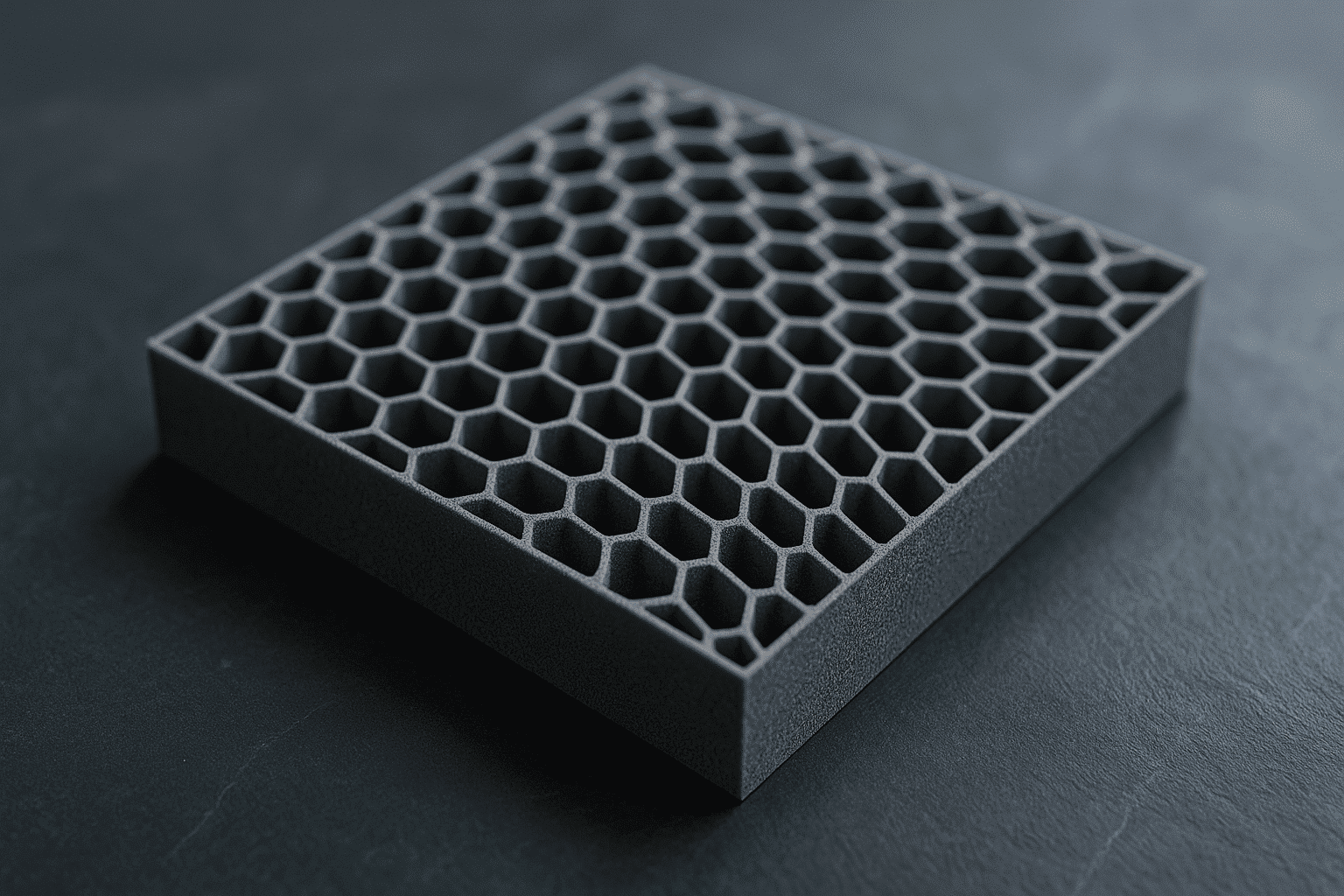
Vibiscus introduces a different approach by integrating artificial intelligence directly into noise control of the HVAC industry. Rather than adding sound to cancel noise, Vibiscus technology acts as an intelligent, adaptive absorbing material.
A network of microphones and mobile membranes continuously analyzes the acoustic environment inside HVAC ducts. AI algorithms then adjust the acoustic properties of the system in real time to optimize noise absorption based on actual operating conditions.
By combining AI with advanced acoustic engineering, Vibiscus enables effective noise reduction without compromising airflow efficiency or increasing energy consumption.
What can be the benefits of AI in HVAC industry?
The benefits of AI in the HVAC industry extend beyond isolated performance improvements. They contribute to a more resilient, efficient and sustainable approach to building services. From an operational perspective, AI reduces uncertainty. System behavior becomes more predictable, maintenance more targeted and performance more consistent. This translates into lower operating costs and improved system availability.
From an environmental standpoint, AI-driven optimization supports energy efficiency goals. From a user perspective, improved comfort and reduced noise significantly enhance the quality of indoor environments.
Finally, AI enables HVAC systems to evolve over time. Instead of becoming obsolete as building usage changes, intelligent systems can adapt, to protect long-term investments and extend system relevance.
Frequently asked questions
No. While AI is easier to integrate into new systems, many solutions can be retrofitted to existing HVAC installations.
AI does not replace engineers or technicians. It supports them by providing deeper insights and enabling more informed decision-making.
The main challenges are the data quality and the integration. AI requires reliable sensor data and a clear understanding of system architecture to deliver its full potential.
AI in the HVAC industry is a fundamental shift in how building systems are conceived and operated. By combining data intelligence with physical engineering, AI opens new possibilities for efficiency, comfort and noise control. As technologies like those developed by Vibiscus demonstrate, the future of HVAC is not only smarter, but also quieter and more responsive to the environments it serves!