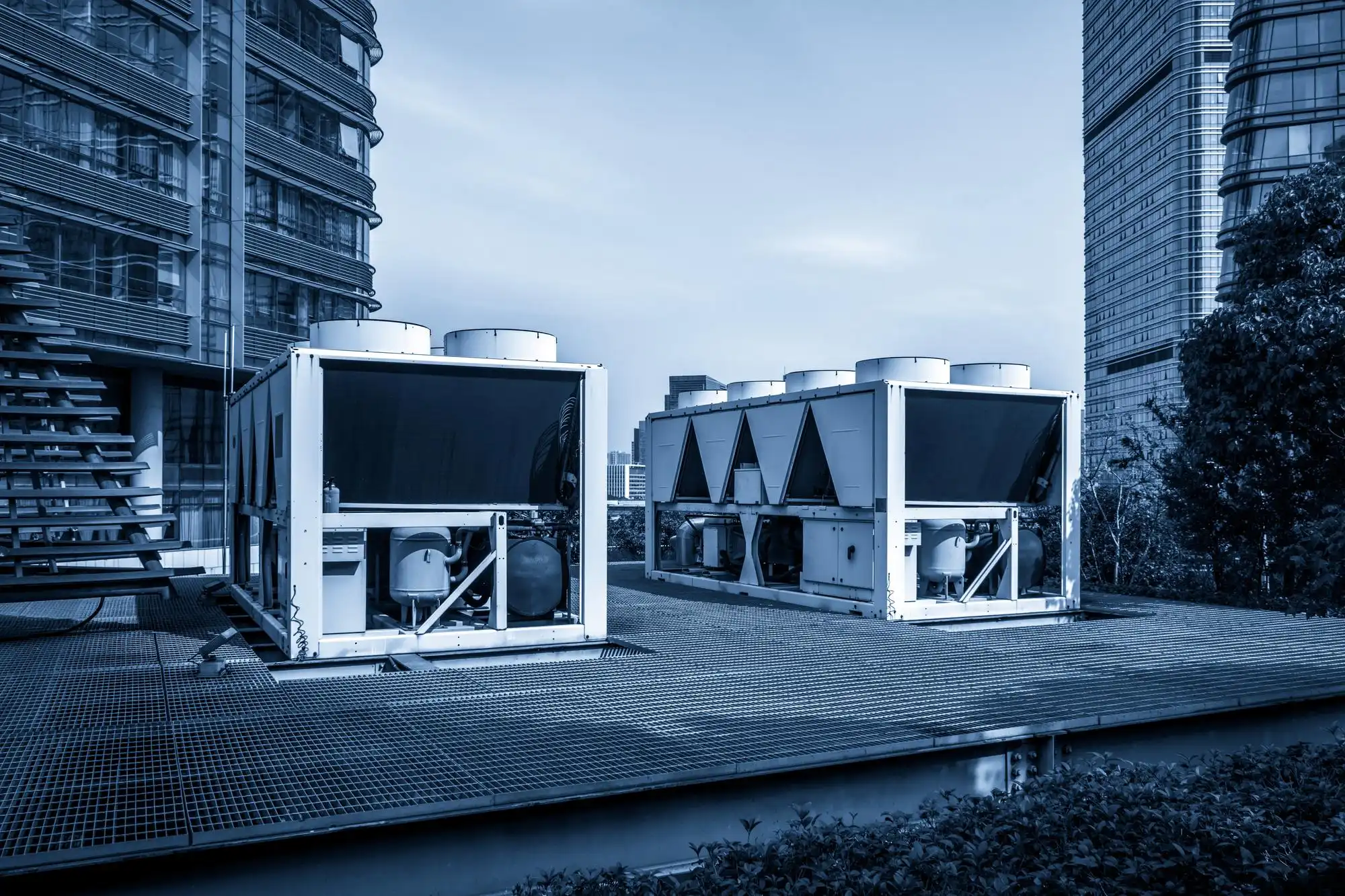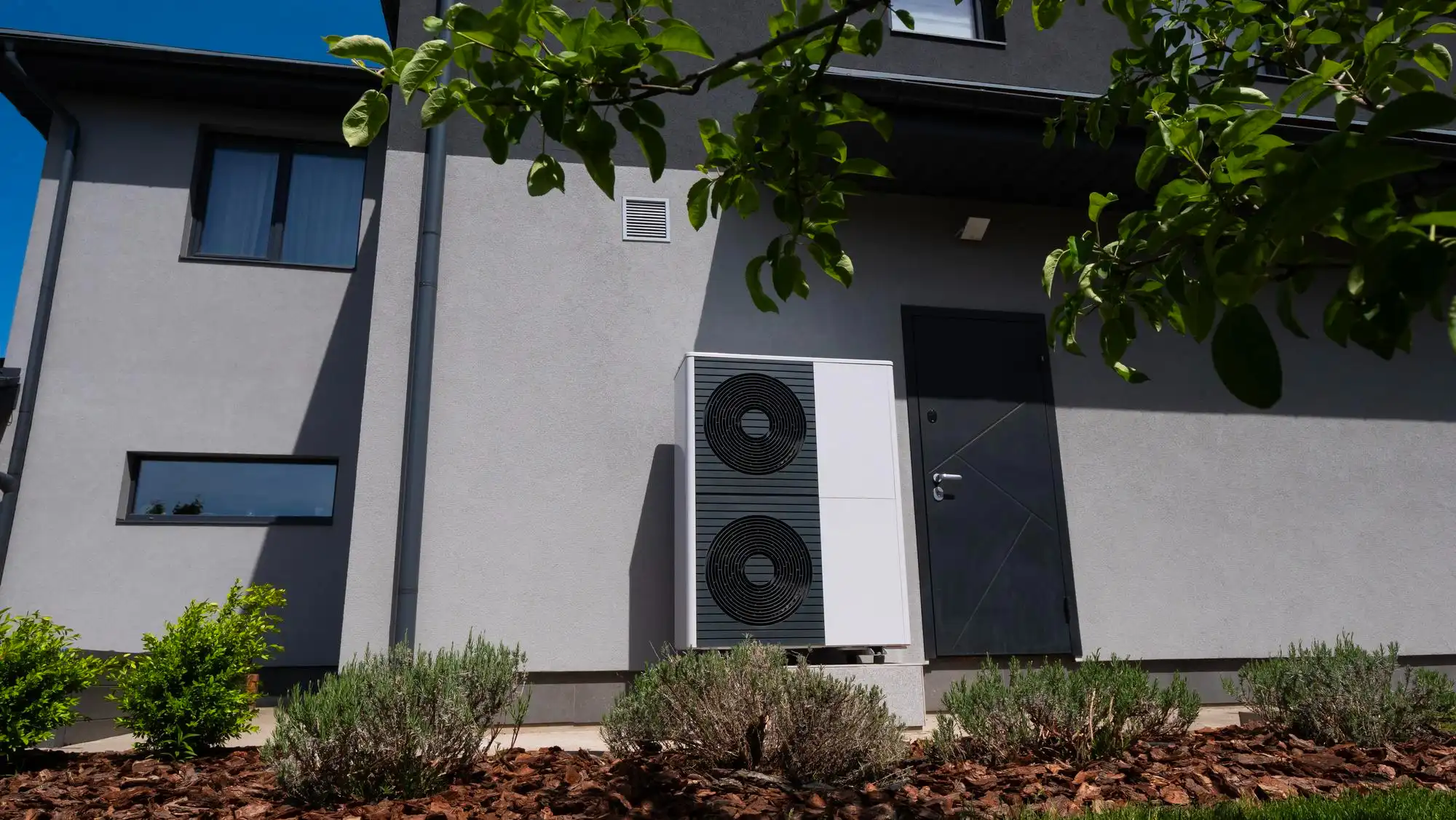
Widely used in residential, commercial and industrial buildings, heat pumps offer an efficient way to regulate indoor temperature while reducing energy consumption. However, despite their environmental and energy advantages, one issue arises: noise. For many users, the acoustic impact of heat pumps can quickly become a source of discomfort. Outdoor units, compressors and airflow systems generate continuous sounds that affect both occupants and surrounding environments. In dense urban areas or quiet residential zones, this issue becomes particularly sensitive. Then, you may wonder how to reduce noise from heat pump? Discover Vibiscus solution in this post!
Noise from heat pumps
Heat pumps operate through mechanical and aerodynamic processes that inevitably produce sound. These systems rely on compressors, fans and refrigerant circulation to transfer heat between indoor and outdoor environments. Each of these components can contribute to the overall acoustic footprint of the installation.
The compressor is often the primary source of noise. As it pressurizes the refrigerant and circulates it through the system, vibrations and mechanical movements generate sound that can propagate through both the equipment and the surrounding structure.
Fans also generate sound. In air-source heat pumps, fans are responsible for moving large volumes of air through the system’s heat exchangers. The movement of air through grilles, ducts and ventilation openings creates aerodynamic noise that can travel over significant distances.
Another factor of noise is vibration transmission. When heat pumps are installed on building structures, mechanical vibrations can spread through walls, floors or mounting surfaces. This phenomenon can amplify the perceived sound level, especially inside buildings.
Because heat pumps are often installed outdoors, the sound they generate may affect neighbors or nearby public spaces. For this reason, reducing noise emissions has become a growing concern for both homeowners and facility managers. But how to reduce noise from heat pump? Let’s take a look at the solutions.
What solutions are traditionally used to limit the noise from heat pumps?
Several conventional approaches have been developed to reduce the noise generated by heat pumps. These methods mainly focus on isolating vibrations, controlling airflow or absorbing sound before it spreads into the environment.
One widely used technique involves vibration isolation. By installing anti-vibration mounts or pads beneath the heat pump unit, it is possible to limit the transmission of mechanical vibrations to the building structure. This solution can significantly reduce the propagation of low-frequency noise.
Another common approach involves acoustic enclosures or barriers. These structures are designed to block or absorb sound waves before they reach surrounding areas. Enclosures can be effective when properly designed, although they must allow sufficient airflow to maintain the system’s performance.
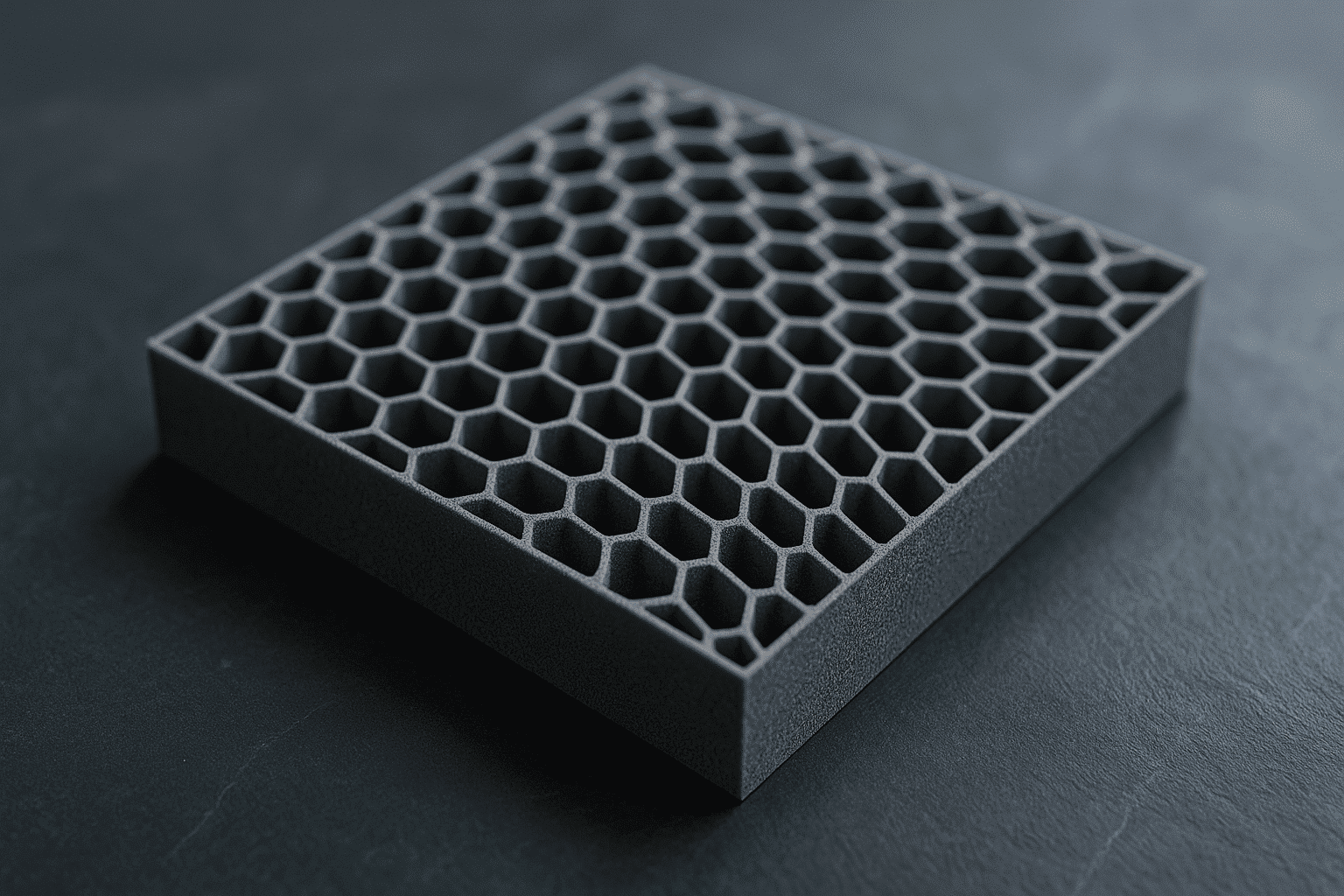
Sound-absorbing materials are also frequently used in ventilation systems or equipment housings. These materials can reduce the intensity of sound waves by converting part of their acoustic energy into heat.
However, traditional passive solutions have certain limitations. In many cases, they require significant space to be effective. Large acoustic panels or barriers may not always be compatible with architectural constraints.
Furthermore, conventional acoustic materials may not perform equally well across all frequencies. Low-frequency sounds, which are common in mechanical equipment such as compressors, can be particularly difficult to absorb using traditional materials.
For these reasons, engineers are increasingly exploring more advanced approaches to reduce noise from heat pump, capable of adapting to complex acoustic environments.
Going further with the Vibiscus system
Innovative technologies are now redefining the way noise control is approached in ventilation and HVAC systems. One such example is the system developed by Vibiscus, which introduces a new perspective on acoustic management.
The Vibiscus solution relies on a network of microphones and mobile membranes capable of modifying the acoustic properties of the surrounding air. This architecture creates a configurable absorbing surface designed to adapt to the acoustic environment in real time.
When air flows through the device, the system’s absorbing surface interacts with the sound waves generated by the equipment. Instead of producing an additional sound signal, the Vibiscus technology acts as an enhanced acoustic material capable of absorbing and dissipating noise.
This approach differs from traditional active noise control systems. Active systems typically generate an opposite sound wave to cancel the original noise. In contrast, the Vibiscus system focuses on modifying the acoustic characteristics of the air itself.
Because of this principle, the solution offers improved energy efficiency compared to systems that rely on continuous sound emission. It also avoids the complexity associated with generating additional acoustic signals.
Another advantage is its compact and modular design. The system can be integrated into existing ventilation ducts or airflow pathways, making it suitable for a wide variety of HVAC configurations.
The result is a balanced and efficient solution capable of addressing one of the most persistent challenges associated with heat pump installations: controlling noise while maintaining system efficiency.
Frequently asked questions
Heat pumps generate noise primarily from compressors, fans and airflow through ventilation systems. Mechanical vibrations can also contribute to the overall sound level.
Not necessarily. Many modern units are designed to operate quietly, but noise may become noticeable depending on installation conditions, surrounding structures and environmental factors.
Yes. Anti-vibration mounts can help limit the transmission of mechanical vibrations to building structures, which may significantly reduce perceived noise.
They can be effective if properly designed, but they must allow adequate airflow to ensure that the heat pump continues to operate efficiently.
The Vibiscus system modifies the acoustic properties of air through a network of microphones and mobile membranes, and creates a configurable absorbing surface that reduces noise without generating additional sound.
Want to know more about Vibiscus solution to reduce noise from heat pumps? Contact us now!