While generators are undeniably essential for powering the buildings they serve, they can also be a source of frustration. The noise they generate can disrupt daily life and even affect neighbors. But do you know why generators are so loud and how to minimize this impact? Vibiscus has all the answers.
Types of generators and associated noise pollution
Not all generators produce the same level or type of noise. Their acoustic signature depends largely on their design, size and intended use.
Small portable generators typically generate noise through compact engines running at high speeds. These units tend to produce sharp, high-frequency sounds that can be particularly noticeable in quiet environments.
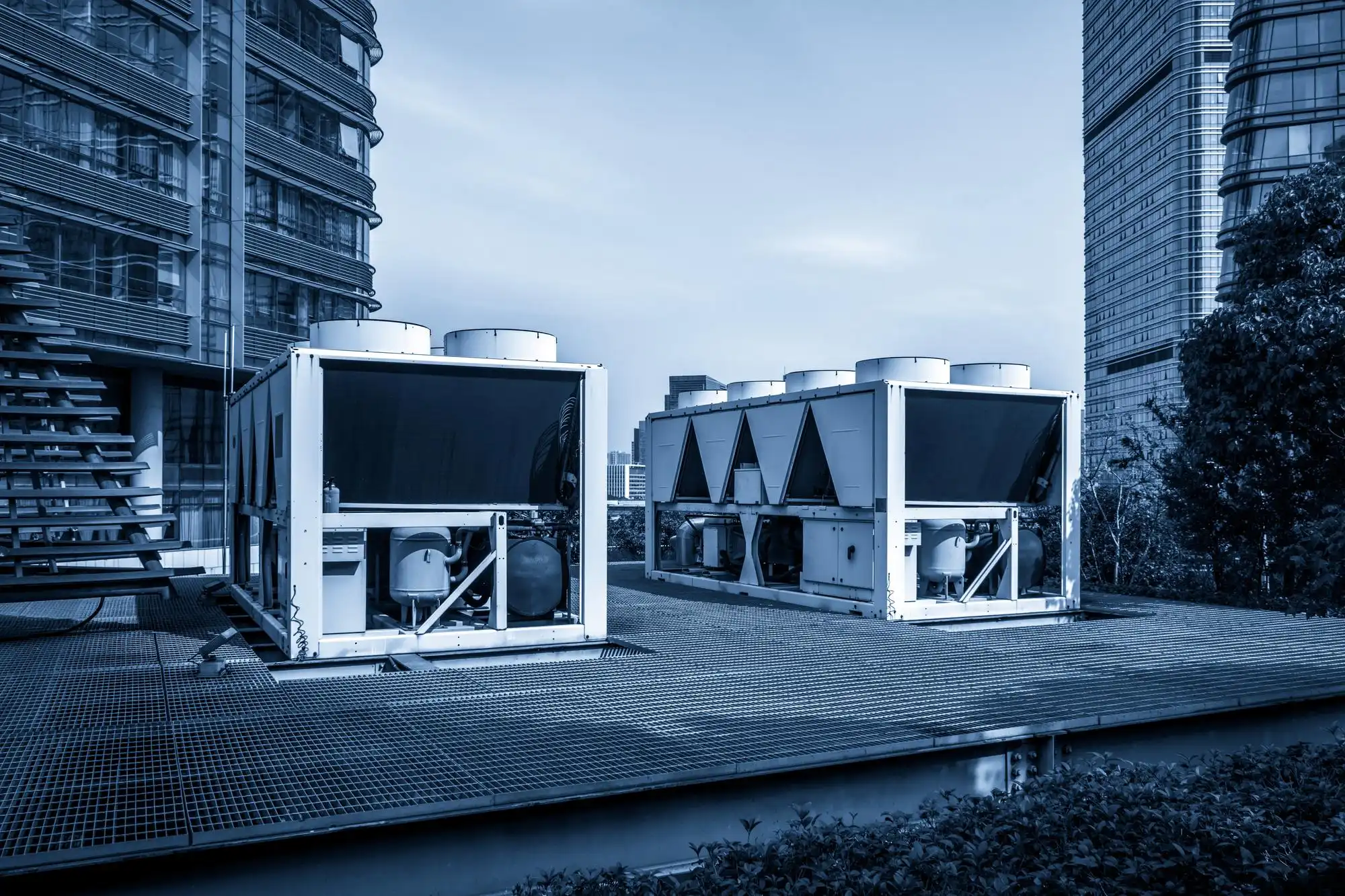
At the other end of the spectrum, industrial generators operate at much larger scales. These systems are designed to deliver significant power outputs, continuously or for extended periods. Their noise is deeper, more sustained and combines low-frequency rumble with broadband mechanical and airflow noise.
Standby generators, installed in buildings as backup systems, may remain silent most of the time but become suddenly active during power outages. When they start, they can generate abrupt noise peaks, which can be perceived as particularly intrusive.
Open-frame generators are typically louder than enclosed models. In enclosed units, acoustic housings are used to reduce sound radiation. However, even these solutions cannot eliminate noise entirely, as airflow and heat dissipation requirements impose design constraints.
But, if they all have different sound sources, why are these generators so loud and how to prevent is? Let’s check that!
Why are generators so noisy?
The noise produced by generators is the result of several combined phenomena, and the primary source is the internal combustion engine. Like any engine, it generates noise through the combustion process, moving parts and exhaust gases. The rapid expansion of gases during combustion creates pressure waves that propagate as sound.
Mechanical components such as pistons, crankshafts and bearings also generate vibrations. These vibrations can travel through the structure of the generator and radiate as noise. In many cases, this structure-born noise is as significant as airborne noise.
You may also look at cooling system. Generators produce heat and require continuous airflow to maintain safe operating temperatures. Fans used for cooling generate aerodynamic noise, particularly when airflow is turbulent or constrained.
The exhaust system is another source. Exhaust gases are expelled at high velocity and creates a distinct and dominant noise component. While mufflers are typically installed to reduce this noise, their effectiveness is limited by design constraints.
Additionally, the interaction between airflow and other elements can generate further noise. Air passing through vents, ducts or protective enclosures may produce turbulence, adding to the overall sound level.
The addition of all these element make the generators so loud. But is it possible to limit these noises?
How can we limit the noise pollution from generators?
Reducing generator noise requires a combination of approaches that target both the source of the noise and its propagation.
One of the most common strategies is the use of acoustic enclosures. These structures are designed to contain and absorb sound before it spreads into the surrounding environment. While effective, they must be carefully designed to allow sufficient airflow for cooling.
Exhaust silencers are also widely used. They reduce noise generated by exhaust gases, but their performance depends on the frequency range and the design of the system.
Vibration control is another important aspect. By isolating the generator from its support structure, it is possible to reduce structure-born noise. Anti-vibration mounts and damping materials are commonly used for this purpose.
In some cases, barriers or screens are installed around the generator to limit noise propagation. These solutions can be effective when properly positioned, but they require sufficient space and may not address all noise components.
However, traditional solutions face limitations, particularly when dealing with complex noise profiles or space constraints. They may also struggle to adapt to changing operating conditions. This is where more advanced technologies come into play.
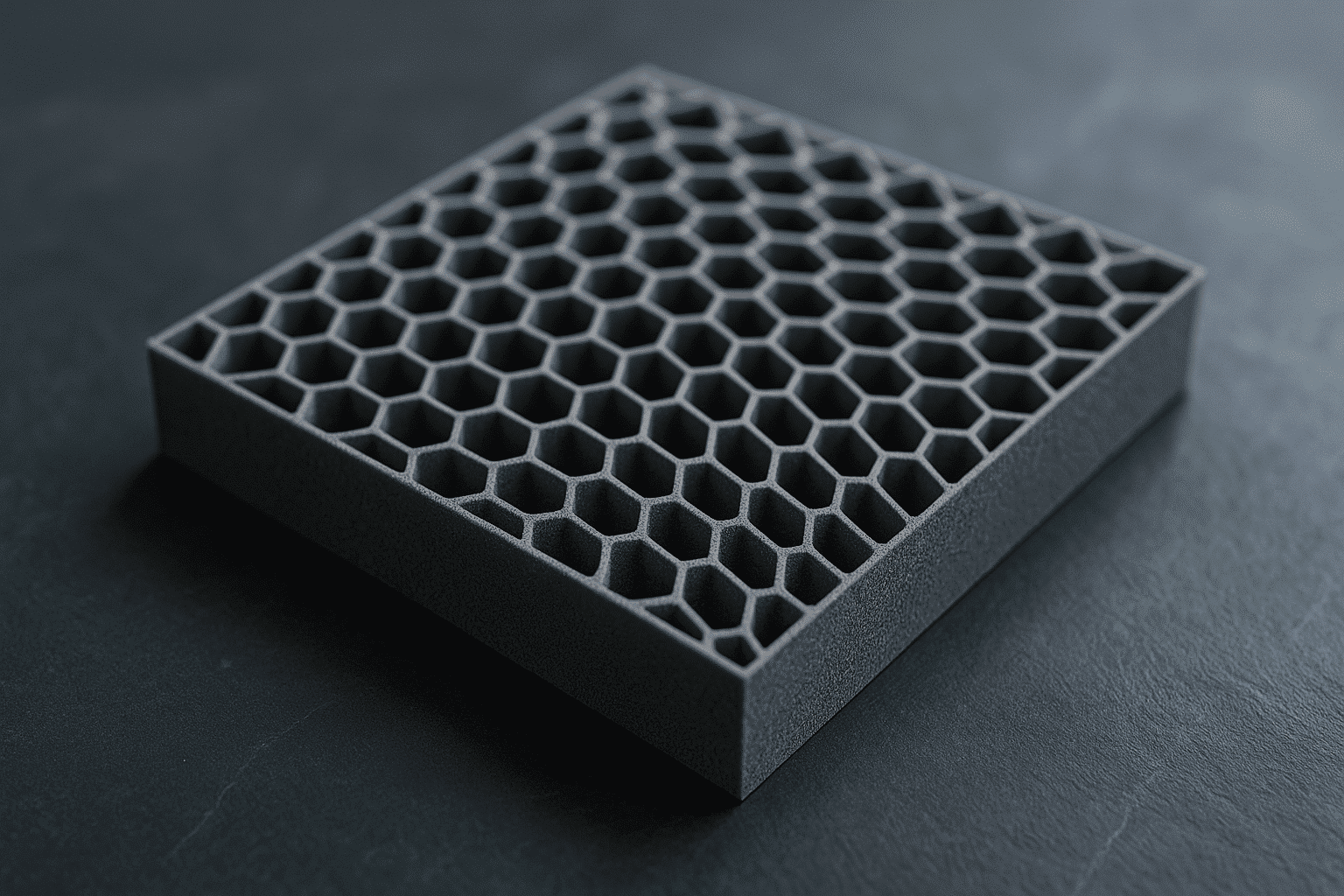
The system developed by Vibiscus offers a different perspective on noise control. Instead of relying solely on passive materials or adding sound to cancel noise, it uses a network of microphones and mobile membranes to modify the acoustic properties of air.
This creates a configurable absorbing surface capable of adapting to real acoustic conditions. As air passes through the system, noise is absorbed and dissipated, rather than masked.
The integration of artificial intelligence allows the system to adjust its behavior in real time and ensures precise noise reduction even in dynamic environments.
Frequently asked questions
Because they combine multiple noise sources, including combustion, mechanical movement, airflow and exhaust.
No. Noise levels vary depending on the type, size and design of the generator.
Complete elimination is unlikely, but significant reduction is achievable with appropriate solutions.
A combination of enclosure, vibration isolation and advanced acoustic solutions usually provides the best results.
It modifies the acoustic properties of air to absorb and dissipate noise without generating additional sound, offering a more adaptable and energy-efficient approach.
Now that you know why are generators so loud, you want to know more about our solution? Discover our products online now!