Heat pumps have become one of the most popular heating and cooling solutions for residential, commercial and industrial buildings. Their energy efficiency and lower environmental impact makes them particularly attractive in a context where reducing energy consumption has become a priority. Yet one issue regularly comes back in discussions about HVAC systems: noise. Even high-performance heat pumps can generate a constant acoustic presence that quickly becomes uncomfortable for occupants, neighbors or employees. But then, you may wonder how to get a silent heat pump? Vibiscus tells you more in this new post!
Why are heat pumps so loud?
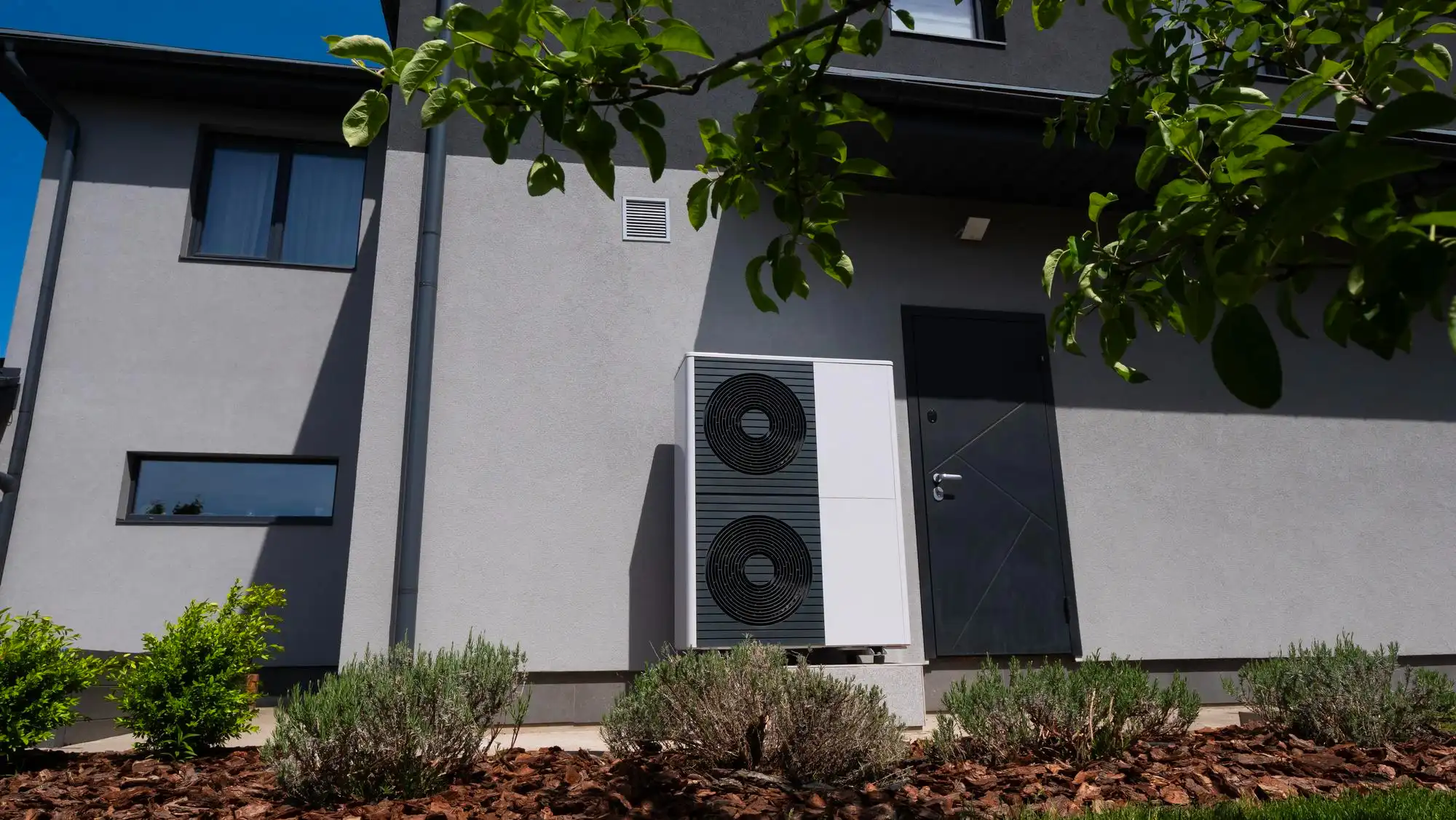
Many people are surprised when they first hear a modern heat pump operating at full capacity. While manufacturers have made significant progress over the years, no heat pump is truly silent actually. The reason is relatively simple: several mechanical and aerodynamic processes occur simultaneously inside the system.
The compressor is the primary source of noise. It compresses refrigerant continuously in order to transfer heat from one environment to another. This mechanical action creates vibrations and low-frequency sound emissions. Fans also play a major role. Heat pumps rely on airflow to exchange thermal energy efficiently. As air moves through the unit and ventilation ducts, turbulence develops.
In addition to these direct sound sources, vibrations transmitted through walls, floors or mounting structures may amplify the acoustic discomfort. Poor installation practices can worsen the situation considerably. The issue becomes even more complex in dense urban environments or commercial buildings where sound reflections and confined spaces can intensify perceived noise levels.
Another important point is that heat pump noise is not always constant. Variations in operating speed, seasonal conditions or system load can produce fluctuating frequencies that are more disturbing than stable background noise.
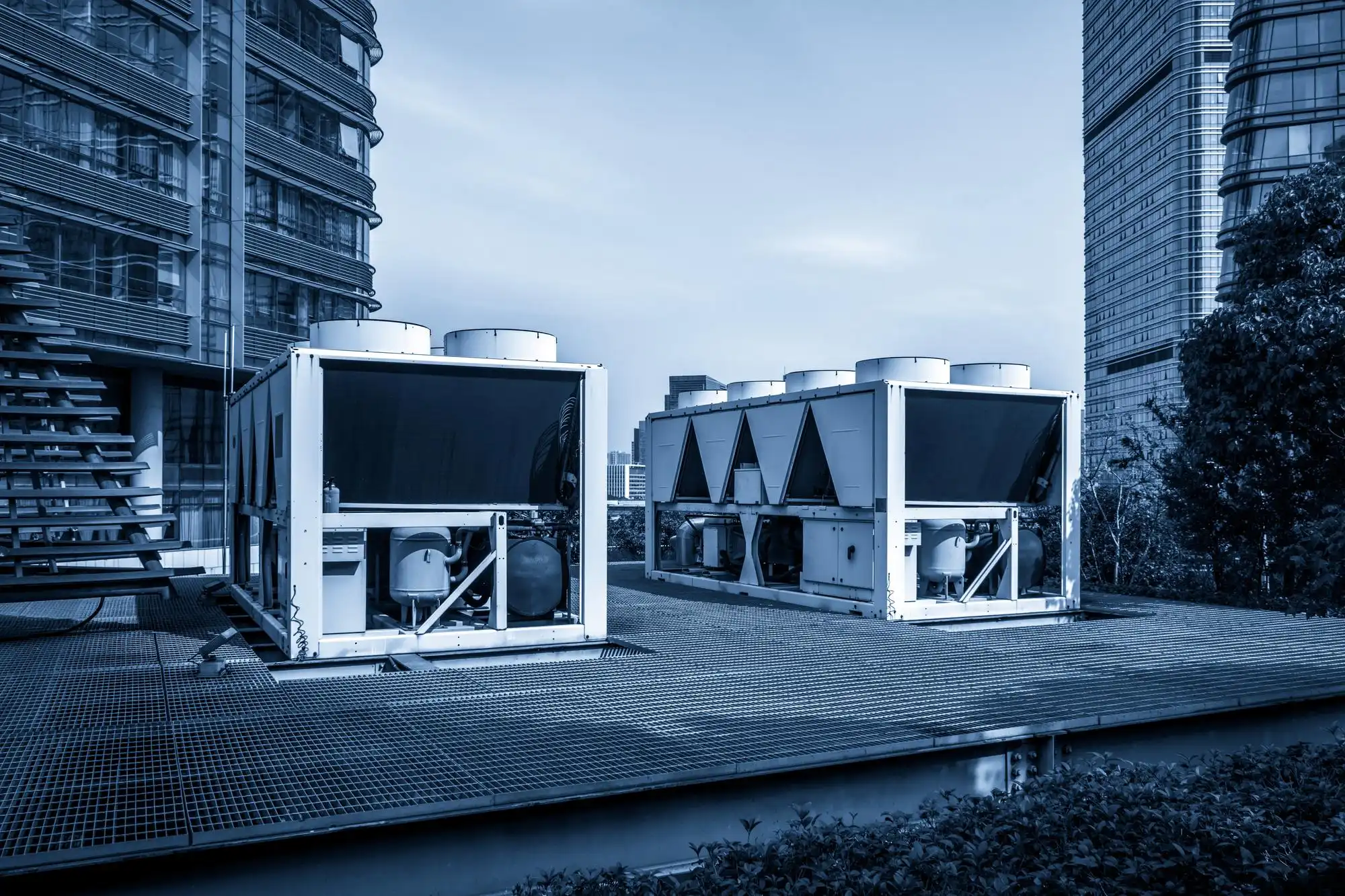
For industrial and commercial HVAC applications, the problem can quickly escalate. Large-scale heat pumps, cooling systems and ventilation networks may generate significant acoustic pollution if no dedicated sound-control strategy is implemented.
But then, how to get a silent heat pump?
Solutions to get a silent heat pump
Reducing the noise generated by a heat pump requires a combination of mechanical, architectural and acoustic solutions. The right approach depends on the system configuration, the installation environment and the type of noise involved.
Traditional solutions
Several conventional methods are commonly used to limit heat pump noise. The first step involves improving installation quality. Proper mounting, stable supports and anti-vibration pads can significantly reduce structure-borne vibrations. In many cases, poor installation practices are responsible for a large portion of perceived noise.
Acoustic barriers or enclosures are also widely used. These structures aim to block or absorb part of the emitted sound before it reaches nearby occupants or surrounding buildings.
However, these systems present some limitations. Large acoustic enclosures may restrict airflow if poorly designed, potentially affecting the efficiency of the heat pump itself. They can also become bulky and difficult to integrate into complex environments.
Traditional sound absorbers installed inside ventilation ducts are another common solution. These passive materials help attenuate noise generated by airflow and fans.
Another approach involves selecting quieter HVAC equipment from the start. Some modern heat pumps are specifically designed to reduce compressor and fan noise through variable-speed technologies and improved mechanical insulation. Still, even quieter units continue to generate acoustic emissions, especially in demanding industrial or commercial settings.
Vibiscus technology
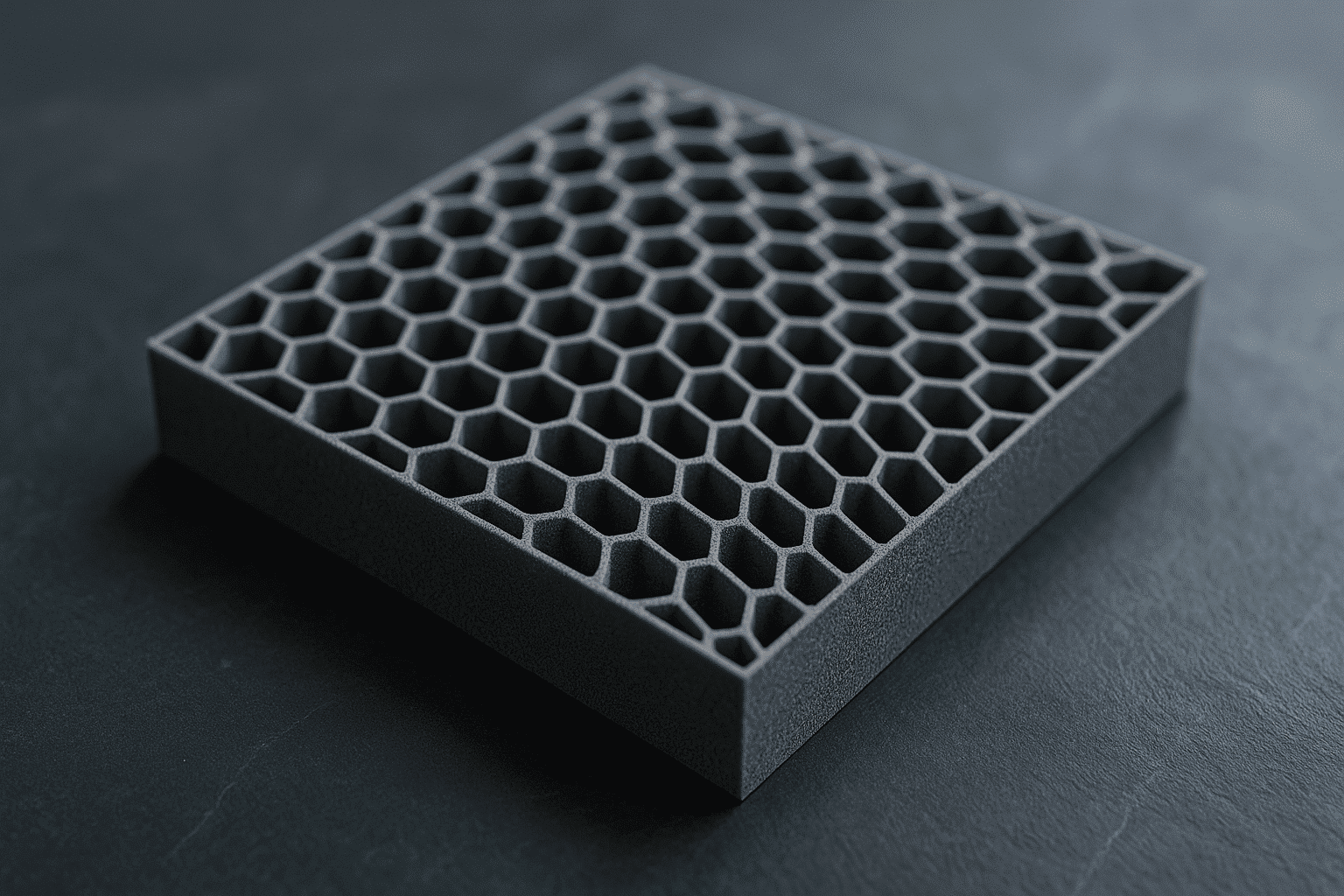
This is where Vibiscus introduces a fundamentally different approach to noise reduction. Rather than simply blocking sound or generating additional anti-noise signals like traditional Active Noise Cancellation (ANC) systems, Vibiscus operates as an adaptive acoustic material capable of absorbing and dissipating sound energy more intelligently.
The system relies on a network of microphones and movable membranes that dynamically modify the acoustic properties of the surrounding air. This creates an absorbent surface that can adapt to specific acoustic conditions and ventilation configurations.
One of the major advantages of this approach is its flexibility. The Vibiscus technology is compact, highly modular and designed to integrate seamlessly into existing HVAC infrastructures, including ventilation ducts associated with heat pumps and industrial cooling systems.
As air passes through the system equipped with this adaptive absorbent surface, unwanted noise is significantly reduced without generating additional sound.
Unlike conventional ANC systems, Vibiscus does not attempt to “mask” noise by adding opposing sound waves. Instead, it behaves more like an intelligent sound-absorbing material enhanced through AI-driven acoustic control.
This approach offers several benefits for modern HVAC environments. First, energy efficiency is improved because the system avoids continuously generating compensating sound signals. Second, the technology remains effective in more complex geometries where traditional noise-control systems may struggle.
Airflow management control is another advantage. HVAC and heat pump systems require optimized airflow to maintain thermal efficiency and occupant comfort. Vibiscus technology is specifically designed to preserve airflow quality while reducing acoustic nuisances.
The integration of AI also enables more precise acoustic management by adapting the system to varying operating conditions and noise profiles.
Frequently asked questions
No HVAC system is entirely silent. However, proper installation and advanced acoustic-control technologies can dramatically reduce perceived noise levels and improve comfort significantly.
The compressor and fan are typically the main noise sources. Airflow turbulence and vibrations transmitted through structures also contribute to acoustic discomfort.
If poorly designed, yes. Restricting airflow around the unit can reduce efficiency and potentially increase mechanical stress on the system.
Unlike ANC systems that generate additional sound waves to mask noise, Vibiscus uses adaptive absorbent surfaces to absorb and dissipate sound more efficiently without adding extra noise.
Want to know more about the Vibiscus technology to to get a silent heat pump? Discover our products now!